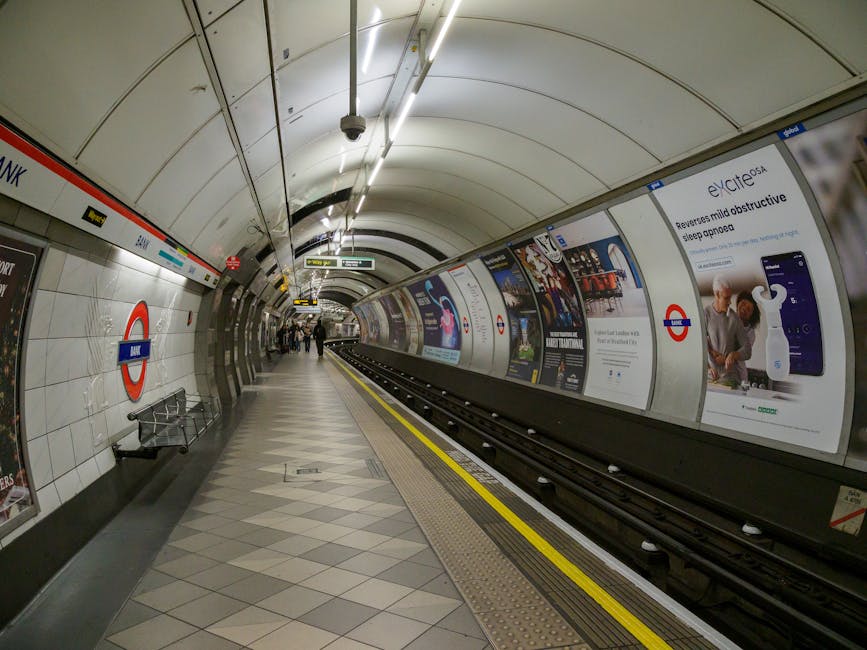
Turnham Green station rubbish removal guide for commuters
If you commute through Turnham Green station, you already know how quickly small bits of rubbish can turn into a bigger problem. A broken umbrella, a bag of packaging from a flat move, an old office chair you can't quite lug home, or a pile of household clutter left for "later" can all create stress at exactly the wrong time. This Turnham Green station rubbish removal guide for commuters is here to make the whole process simpler, safer, and a lot less annoying. It covers what rubbish removal actually means in a commuter setting, how it works, what to watch out for, and how to choose the cleanest, most sensible route for your situation.
Truth be told, most people do not need a grand waste-management strategy. They just need a clear plan that fits around trains, work, and busy London life. That's what this guide is for.
Table of Contents
- Why this matters at Turnham Green station
- How commuter rubbish removal works
- Key benefits and practical advantages
- Who this is for and when it makes sense
- Step-by-step guidance
- Expert tips for better results
- Common mistakes to avoid
- Tools, resources and recommendations
- Law, compliance and best practice
- Options, methods, and comparison
- Case study or real-world example
- Practical checklist
- Conclusion
- Frequently asked questions
Why Turnham Green station rubbish removal guide for commuters Matters
Turnham Green station sits in a part of west London where people are constantly on the move. That matters because waste builds up in exactly the kinds of places commuters use every day: flats, shared houses, small offices, storage cupboards, and the hand-carried items that somehow survive three seasons and then suddenly need to go. A guide like this matters because rubbish is rarely just "rubbish". It can be awkward to transport, time-sensitive, bulky, smelly, recyclable, confidential, or even potentially hazardous.
For commuters, the pain point is usually not the disposal itself. It is the fit. You need a solution that works between leaving for work, returning after the evening rush, or squeezing tasks into a lunch break. A missed collection or a badly sorted load can leave bags sitting in a hallway, which is never a good look, especially in a shared building. And if you've ever carried a heavy item halfway to the station, only to realise it's not actually manageable, you'll know the feeling. Bit of a faff, really.
This is why well-organised rubbish removal is useful around Turnham Green station: it helps commuters avoid clutter, keep rental homes presentable, reduce safety risks, and stay on the right side of local disposal expectations. It also saves time. That alone is worth something in London.
When waste is handled properly, it becomes much easier to keep your home, workplace, or travel routine calm. A cleaner space also makes moving day, end-of-tenancy checks, and seasonal clear-outs far less painful. Not glamorous, but very useful.
Expert takeaway: the best rubbish removal solution for commuters is usually the one that fits around your timetable, handles awkward items safely, and minimises repeat trips. Simple as that.
How Turnham Green station rubbish removal guide for commuters Works
In practical terms, commuter rubbish removal is about collecting, sorting, loading, transporting, and disposing of unwanted items in a way that saves you time and avoids mistakes. Around Turnham Green, this often means dealing with a mix of small domestic waste, bulky items, office waste, and the odd surprise item that has lived behind a wardrobe for years.
The process usually starts with a clear list. You decide what is going, what can be reused or recycled, and what needs special handling. From there, you match the load to the right removal method. For some people that means a light household clearance; for others it could be furniture disposal, fridge and appliance removal, or even business waste removal if they are working nearby and need a tidy office reset.
One important detail: not everything can simply be thrown into the nearest bin or left beside the platform area. Items like fridges, mattresses, paint, electricals, confidential paperwork, or damaged furniture may need specific treatment. If you are unsure, it is better to pause and check than to make an expensive mistake later. That pause saves headaches.
Another practical factor is timing. Commuters rarely have an open-ended afternoon. So the best rubbish removal plan is one that can be arranged around your schedule, with a clear collection window and enough room for access. If items are coming from an upstairs flat or a small office, access matters as much as the load itself.
For larger clear-outs, residents and landlords often also look at related support such as flat clearance, house clearance, or home clearance, depending on how much needs to go. If the job is mainly bulky items, then furniture clearance or furniture disposal can be the cleaner fit.
Key Benefits and Practical Advantages
The obvious benefit is less clutter. But there is more going on than that. A good rubbish removal plan around Turnham Green station can make commuting easier in several practical ways.
- Less stress before and after work. You are not spending evenings staring at bags in the corner and wondering when you will deal with them.
- Safer movement through small spaces. Hallways, stairs, and shared entrances stay clearer when bulky items are removed promptly.
- Better use of your time. Instead of making several trips to sort waste, you can deal with it in one structured move.
- Cleaner rental or shared living spaces. Helpful for inspections, new tenants, or just day-to-day sanity.
- Improved recycling outcomes. Sorting items properly gives reusable materials a better chance of being handled responsibly.
- Reduced risk of damage. Heavy objects dragged through tight spaces can scuff walls, doors, and floors. Nobody wants that conversation with the landlord.
There is also a quieter benefit that commuters often appreciate. When your space is clear, your head feels clearer too. You notice it at 7:30 in the morning when the kitchen is not crowded with old boxes, or at 9:15 at night when you arrive home and can actually breathe. Small thing, but it counts.
If you're clearing out a workspace near the station, an office clearance can also be a sensible route, especially where old desks, filing units, and packaging are cluttering a compact premises.
Who This Is For and When It Makes Sense
This guide is especially useful if you fall into one of these groups:
- Daily commuters who want to clear old items without taking extra time off work.
- Renters and shared-house residents who need quick, responsible disposal before inspections or moving day.
- Landlords and letting agents handling leftover rubbish after a tenant leaves in a hurry.
- Small businesses near Turnham Green with office clutter, broken equipment, or periodic waste buildup.
- People downsizing and trying to clear a few rooms without turning the week into a full-scale project.
- Anyone with bulky or awkward items that are too heavy, too large, or too messy for standard household bins.
It makes sense when you have waste that is more than a couple of bags, when you need it gone in a tidy and compliant way, or when you simply don't have the energy to do it yourself after work. Let's face it, most people don't want to wrestle with a sofa at the end of the day.
For bigger domestic jobs, related services such as house clearance or loft clearance may be more appropriate than a basic waste run. And if you're dealing with appliances, the specialist route through fridge and appliance removal is usually the safer choice.
Step-by-Step Guidance
Here is a straightforward way to approach rubbish removal without overcomplicating it.
- Sort everything first. Separate general rubbish, recycling, reusable items, electricals, and anything that could be hazardous.
- Make a quick inventory. Write down the main items, especially if you have bulky goods or multiple bags. This helps avoid underestimating the job.
- Check access. Measure doorways, stairs, lifts, and parking access if collection needs vehicle loading outside.
- Set aside anything sensitive. Documents, hard drives, personal records, and private paperwork should be handled separately. For that, confidential shredding may be the relevant option.
- Identify special waste. If the load includes batteries, chemicals, paint, or similar items, treat it carefully. Some waste types need specialist handling through hazardous waste disposal.
- Choose the right disposal route. Match the scale of the job to the service or method you actually need. No point hiring a bigger solution than necessary.
- Prepare the items for collection. Bundle, label, or group them if helpful. Keep walkways clear. You will thank yourself later.
- Confirm the booking details. Make sure the collection time, access notes, and item list are correct before the day arrives.
- Keep receipts or confirmation. This is useful if you need to show a landlord, employer, or managing agent that the waste was dealt with properly.
If you are deciding between a disposal service and a load-based collection, it can help to look at the bigger picture. For example, some people need waste removal for mixed rubbish, while others need a very specific item taken away. A mattress, for instance, is usually better handled through mattress and sofa disposal than treated like ordinary household rubbish.
That's the practical route. Step by step. Nothing fancy.
Expert Tips for Better Results
Over the years, the jobs that run smoothly tend to share the same habits. A few small decisions make a big difference.
- Do the sorting before collection day. If you leave sorting until the last minute, everything becomes slower and messier.
- Keep separate piles for keep, recycle, and remove. Even a basic three-pile method cuts confusion.
- Take photos of large items. This helps when you are planning clearance around tight spaces or awkward stairwells.
- Think about building rules. Some blocks have lift booking windows, loading restrictions, or quiet-hour expectations.
- Choose clear access routes. Move bikes, shoes, coats, and bin bags out of the way beforehand.
- Avoid overfilling bags. Heavy sacks split at the worst possible moment. Usually on the stairs. Naturally.
- Keep valuable items separate. Once a clearance begins, a good system prevents "I think that was mine" moments.
If you have a mix of domestic and outdoor waste, you may also benefit from a dedicated garden clearance or garage clearance. They are useful when the clutter is spread across zones rather than sitting in one neat corner.
Another tip: don't wait until the bag pile becomes emotionally significant. You know the one. It starts as "I'll sort that next week" and somehow becomes part of the furniture.
Common Mistakes to Avoid
Most problems with rubbish removal around commuter areas are avoidable. The usual mistakes are not dramatic, just inconvenient and a bit costly.
- Leaving items too late. If you have a move-out date or office handover, book early enough to avoid a last-minute scramble.
- Assuming all waste is the same. General rubbish, electricals, and hazardous items often need different handling.
- Forgetting access constraints. A van cannot help much if the route is blocked by a locked gate, parked car, or missing key.
- Mixing confidential documents with general waste. That is avoidable and messy from a trust point of view.
- Trying to carry oversized items alone. It may feel efficient in the moment, but it can go wrong fast.
- Not checking disposal expectations. In rented or managed buildings, there may be house rules about where items can be left.
- Choosing a service without checking what it covers. If you need a specific item removed, make sure the chosen route really suits the item.
One quiet mistake people make is underestimating emotional clutter. A loft full of old boxes, a broken chair from your first flat, a bag of mixed cables you've kept "just in case" - it all adds up. Clearing it is not only about rubbish. It is about removing friction from daily life.
Tools, Resources and Recommendations
You do not need a truckload of equipment to handle commuter rubbish removal sensibly. In fact, keeping it basic usually works best.
- Heavy-duty sacks or bags for general waste and mixed smaller items.
- Labels or marker pens to mark recycling, donate, keep, or remove.
- Gloves for dusty, dirty, or sharp-edged items.
- Tape and wrap for bundling loose items or protecting surfaces.
- Measuring tape for checking furniture against doorways and stair turns.
- Basic notes app on your phone for item lists and booking details.
For homeowners or renters who are working through a larger clear-out, the relevant service can vary. A spare room full of mixed clutter may suit flat clearance, while a seasonal tidy-up with old tools and broken storage items may be closer to garage clearance. If you are clearing from top-floor storage, loft clearance is the more accurate fit.
And if you want to understand disposal boundaries a bit better before setting anything out, the page on what can go in a skip is useful as a general reference point, even if you are not hiring a skip itself. It helps people think more carefully about what is acceptable, recyclable, or likely to need special handling.
Law, Compliance, Standards, or Best Practice
Waste disposal in the UK is not something to treat casually. You do not need to become a legal expert, but you do need to be sensible. In practice, that means keeping waste separated where possible, not dumping items illegally, and making sure anything sensitive or hazardous is handled properly.
For commuters, the most relevant best-practice points are straightforward:
- Do not leave waste in public or shared areas unless it is expressly permitted and arranged.
- Keep electricals and hazardous items separate from normal household rubbish.
- Protect personal information before disposing of documents or storage devices.
- Use properly managed collection and disposal routes for items that are bulky, restricted, or difficult to move safely.
- Follow building or landlord rules where you live or work.
If you need reassurance about operational standards, it helps to look at how a company approaches health and safety policy, insurance and safety, and recycling and sustainability. Those pages show whether the business takes practical responsibilities seriously, which matters when items are being moved through stairwells, shared entrances, or tight residential streets.
If you run a nearby business, business waste removal may be a better match than a domestic clearance, especially where office waste or customer-facing clutter is involved. And for renovation-related waste, builders waste clearance is the more suitable route.
Options, Methods, and Comparison Table
Choosing the right method is mostly about scale, item type, and time pressure. Here is a simple comparison to help you decide.
| Method | Best for | Pros | Things to watch |
|---|---|---|---|
| Self-clearance | Very small loads, light bags, a few items | Can be cheap if you already have transport | Time-consuming, physically demanding, not ideal for bulky items |
| Waste removal service | Mixed waste, heavier bags, bulky items | Faster, cleaner, less effort on your part | Needs correct item description and access planning |
| Furniture disposal | Sofas, tables, wardrobes, chairs | Good for oversized pieces | Measure access carefully; some items need dismantling |
| Appliance removal | Fridges, freezers, washers, other white goods | Safer handling for heavy or awkward appliances | Check whether appliances need special preparation |
| Full clearance | Flats, houses, lofts, garages, offices | Most efficient for larger resets | Requires more planning and clearer item sorting |
If you are only clearing a few bags, self-clearance may be enough. If you are dealing with a mixed load, it often makes more sense to use a more complete route like flat clearance or house clearance. That way, the work gets done once, properly.
Case Study or Real-World Example
Here is a realistic example from commuter life, without dressing it up too much.
A renter near Turnham Green station had been storing old packaging, a damaged desk chair, two broken shelves, and a dead microwave in a one-bedroom flat. On weekdays, there was no time to deal with it. The hallway was narrow, the lift was small, and the items were awkward enough that moving them solo would have been slow and risky. The person initially planned to do it bit by bit over several evenings. Then, of course, work got busier. It always does.
Instead, the items were sorted into categories: general rubbish, furniture, and appliance removal. The paperwork stack from the desk was separated for shredding, and the route through the building was cleared before collection. What could have become three or four separate trips became one organised clearance. Less disruption, less stress, fewer arguments with the desk chair. A decent outcome, honestly.
The biggest lesson from that kind of scenario is simple: once you know what you are getting rid of, the rest becomes manageable. Not easy perhaps, but manageable. And for commuters, manageable is gold.
Practical Checklist
Use this quick checklist before arranging rubbish removal near Turnham Green station:
- List every item you want removed.
- Separate general rubbish from recycling.
- Set aside documents and anything sensitive.
- Identify appliances, mattresses, or large furniture.
- Check for hazardous or restricted items.
- Measure tight spaces, stairs, and access points.
- Confirm where items will be collected from.
- Make sure shared areas are kept clear.
- Decide whether you need a partial or full clearance.
- Keep booking notes and confirmation details safe.
If you are still deciding which route suits your load, the page on pricing and quotes can help you understand how a more structured service may be approached, while book online is the sensible next step when you already know what needs to go. For questions about how a provider handles customer data or site usage, you can also review privacy policy and cookie policy.
Conclusion
Turnham Green station rubbish removal does not need to be complicated. For commuters, the goal is simple: get unwanted items out of the way safely, responsibly, and without eating up your whole week. Whether you are clearing a small flat, shifting office clutter, or dealing with bulky items that have become a nuisance, the right approach is the one that matches your time, access, and waste type.
The best results usually come from sorting early, choosing the right disposal route, and avoiding the common trap of leaving everything until it becomes urgent. A little planning goes a long way. And to be fair, that is usually enough.
If you want a more straightforward way to handle your next clear-out, use the guidance above, check the relevant service pages, and make the job fit your commute instead of fighting against it. A calmer space makes for a calmer journey, and that's no small thing.
Get a free quote today and see how much you can save.
Frequently Asked Questions
What does a Turnham Green station rubbish removal guide for commuters actually cover?
It covers how commuters can sort, remove, and dispose of rubbish in a way that fits around work, travel, and limited time. It also explains bulky items, special waste, and the safest way to clear a flat or office near the station.
Can I just leave rubbish by the station or in a shared area?
No, not unless there is a proper arranged collection point and permission to do so. In most situations, waste should not be left in public or shared spaces without a clear disposal plan.
What kinds of items usually need special handling?
Appliances, mattresses, sofas, electrical items, confidential papers, and hazardous waste often need a more specific approach than general rubbish. If you are unsure, separate the item and check before booking removal.
Is rubbish removal better than doing it myself?
For a few light bags, self-clearance can work. But for bulky furniture, mixed waste, or anything awkward to carry, a removal service is usually faster, safer, and far less stressful.
How do I know if I need flat clearance or general waste removal?
If you are clearing most of a room, a flat, or several categories of items, flat clearance is often the better fit. If you only have a smaller mixed load, general waste removal may be enough.
What if I only need one large item removed?
That is common. A single sofa, mattress, wardrobe, or appliance may be better handled through a more specific service such as furniture disposal or appliance removal rather than a full clearance.
Do I need to sort recycling before collection?
Yes, where possible. Sorting recycling, reusable items, and general waste beforehand makes the process cleaner and helps avoid unnecessary disposal problems.
What should I do with private documents before rubbish removal?
Keep them separate from general waste and arrange secure destruction if needed. Confidential shredding is the safer choice for paperwork with personal or business information on it.
How early should I plan a rubbish removal job?
Earlier than you think, especially if access is limited or you are working to a move-out date. A little lead time makes everything easier, and the day itself tends to run more smoothly.
Can businesses near Turnham Green use the same kind of clearance service?
Sometimes, but not always. Business waste, office furniture, and work-related clutter can require a different setup. For those cases, business waste removal or office clearance is usually more appropriate.
What if some of my waste is hazardous?
Do not mix it with normal rubbish. Keep it separate and use a proper hazardous waste disposal route. If you are unsure whether an item counts as hazardous, treat it cautiously and check before moving it.
Where can I learn more about the company's standards and policies?
Useful pages include about us, health and safety policy, insurance and safety, and recycling and sustainability. They help you understand how the business works and what standards it follows.
Even a small clear-out can feel like a relief when it is done properly. That quiet sense of space afterward? Hard to beat.